


 English
  English Malay
  China
China  Türkiye
  France
  Spain
Spain  Vietnamese
  Thailand
  India
India  Русский
  Japan
Japan  Arabic
  Mexico
  Peru
Peru  Argentina
  Korea
Korea  Eng-Canada
  Cambodia
  Bangladesh
  Hong Kong
  Australia
  Singapore
  Colombia
  Iran
Iran Crypto trading is a continuous income-generating market with good opportunities but expected risks. Compared to stocks or forex, cryptocurrency never sleeps. Prices shift in seconds, and strategies range from scalping for speed to holding positions for years. For most newbies, the problem is where to begin, which coins to trade, which exchanges to use, and which strategy to employ.
This article dissects the basics of crypto trading in simple terms, so you can know the fundamentals, steer clear of pitfalls, and set foot on the journey towards wiser trading choices.
What is Crypto Trading?
Crypto trading means buying and selling cryptocurrencies such as Bitcoin, Ethereum, or Solana for profit. It is similar to trading stocks, except that the crypto market operates all the time, 24/7. You can trade on centralized exchanges (such as Binance) or on decentralized platforms using wallets and smart contracts.
The objective? Buy low, sell high, or implement smart tricks to accumulate your crypto wallet over time. Crypto trading has many similarities to proprietary trading, in which traders use a firm’s money to make transactions.
We will run through the important concepts, the best practices, and what every newbie like you must understand before venturing into the crypto market.
Why Individuals Trade Cryptocurrency?
Individuals trade crypto for various reasons:
- Potential for Profit: Prices can rise quickly.
- Decentralization: No control by the government.
- Access to Global Markets: Anyone with internet access can participate.
- Low Entry Barrier: You can begin with as little as $10.
Types of Crypto Trading Strategies
You don’t need to be glued to charts 24/7. Choose what works for you:
Day Trading

Buy and sell on the same day. Fast and risky.
Swing Trading

Hold for days or weeks to catch bigger trends.
Scalping
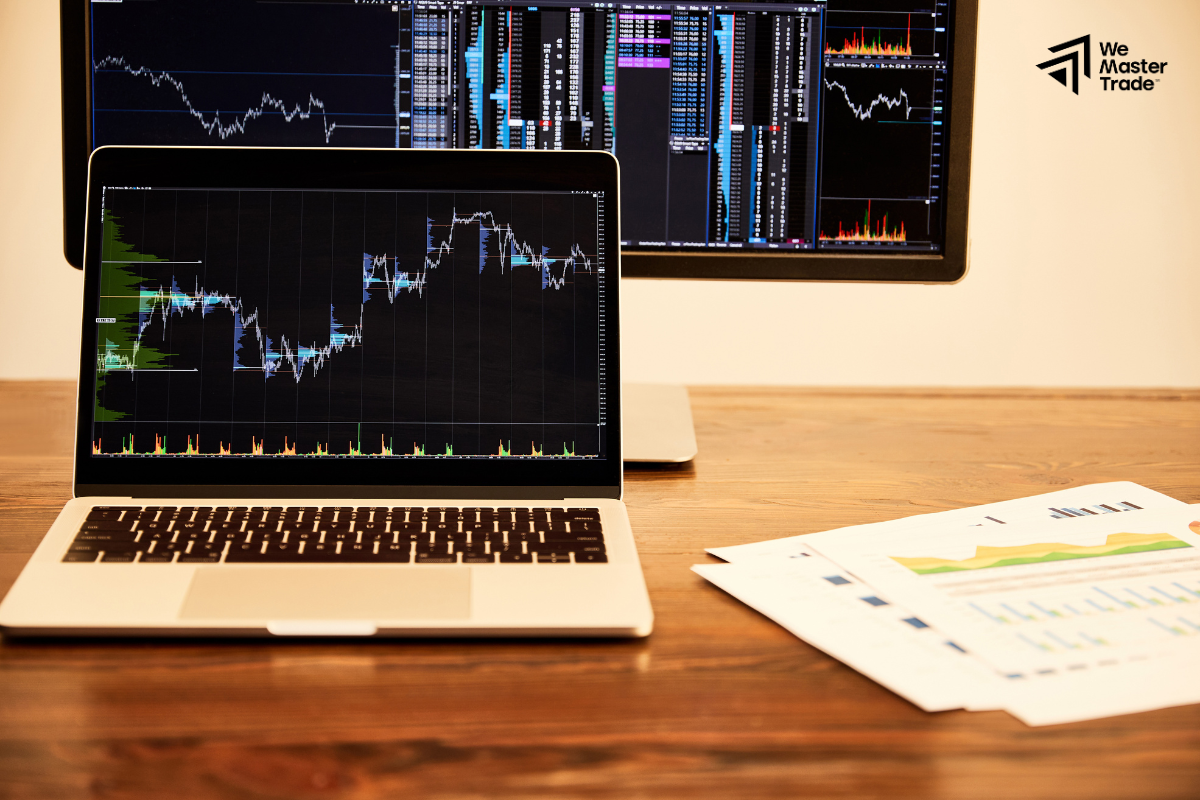
Make small profits several times a day. Requires concentration and quickness.
Holding

Buy and hold for long-term value. Best for newbies.
Supply and demand concepts assist traders in discovering high-probability trade areas in every strategy.
Key Crypto Trading Terms You Need to Know
Following are simple terms you’ll be using frequently:
- Altcoins: All other cryptocurrencies besides Bitcoin.
- Exchange: Where you buy/sell crypto.
- Wallet: A Virtual place to keep your coins.
- Bull Market: Prices rising.
- Bear Market: Prices falling.
- Market Order: Immediate buy/sell at market price.
- Limit Order: You specify a particular price at which to buy or sell.
- Liquidity: How smoothly you can buy/sell with minimal price fluctuations.
- Volatility: How quickly prices fluctuate (crypto is extremely volatile).
Most prop firms provide structured trading programs for both forex and crypto assets, usually with strict risk guidelines and objectives.
Best Practices Before You Begin Trading
To safeguard your time and money, do these:
- Never Invest Money You Can’t Afford to Lose
Crypto is volatile. Only trade money you’re comfortable losing.
- Start with Paper Trading
Experiment first with demo accounts. No risk, only learning.
- Secure Your Crypto
Use secure passwords, turn on MFA, and keep lots of money in a hardware wallet.
- Stay Updated with News
Crypto is news-driven. One tweet can move prices.
- Follow a Trading Plan
Don’t trade based on emotion. Stick to your strategy and risk limits.
Traders using a funded account forex program must follow strict risk management guidelines to maintain their capital access.
Use Reputable Trading Platforms and Apps
Useful platforms for tracking, research, and alerts:
- CoinMarketCap / CoinGecko: Price and project tracking.
- TradingView: Chart analysis and indicators.
- CryptoPanic: Live news feed.
- Blockfolio / CoinStats: Portfolio tracking.
Some instant funding prop firm programs have in-built tools that enable newbie traders to track performance and progress.
Taxes and Legal Reminders
Crypto gains are subject to tax in most nations. Educate yourself on your local laws.
- Keep a record of all of your trades.
- Utilize tax reporting software such as Koinly, CoinTracker, or Accointing.
- Report your income truthfully. Crypto is becoming more regulated.
Regardless of your account type, personal or prop firm forex, honest reporting keeps you out of trouble.
FAQs
Is crypto real money?
Yes. Cryptocurrency may be used for purchases online, investment, and even in brick-and-mortar stores that accept it.
Is cryptocurrency safe for beginners?
It can be, if you’re careful. Learn first, begin small, and use secure platforms.
What is the best strategy for crypto trading?
Begin with HODLing or swing trading. They are simpler for starters and less stressful than day trading.
Begin Strong with WeMasterTrade
Trade smarter? Let’s get started together. Crypto trading is not magic; it’s a skill you can master. With the right tools, strategy, and approach, you can manage the market and build your portfolio with confidence.
If you want to start your crypto journey with a smart and supportive approach, sign up for WeMasterTrade, a platform designed to support, educate, and empower traders of all levels. Sign up now and review to learn how actual users develop with guided trading and mentorship.